
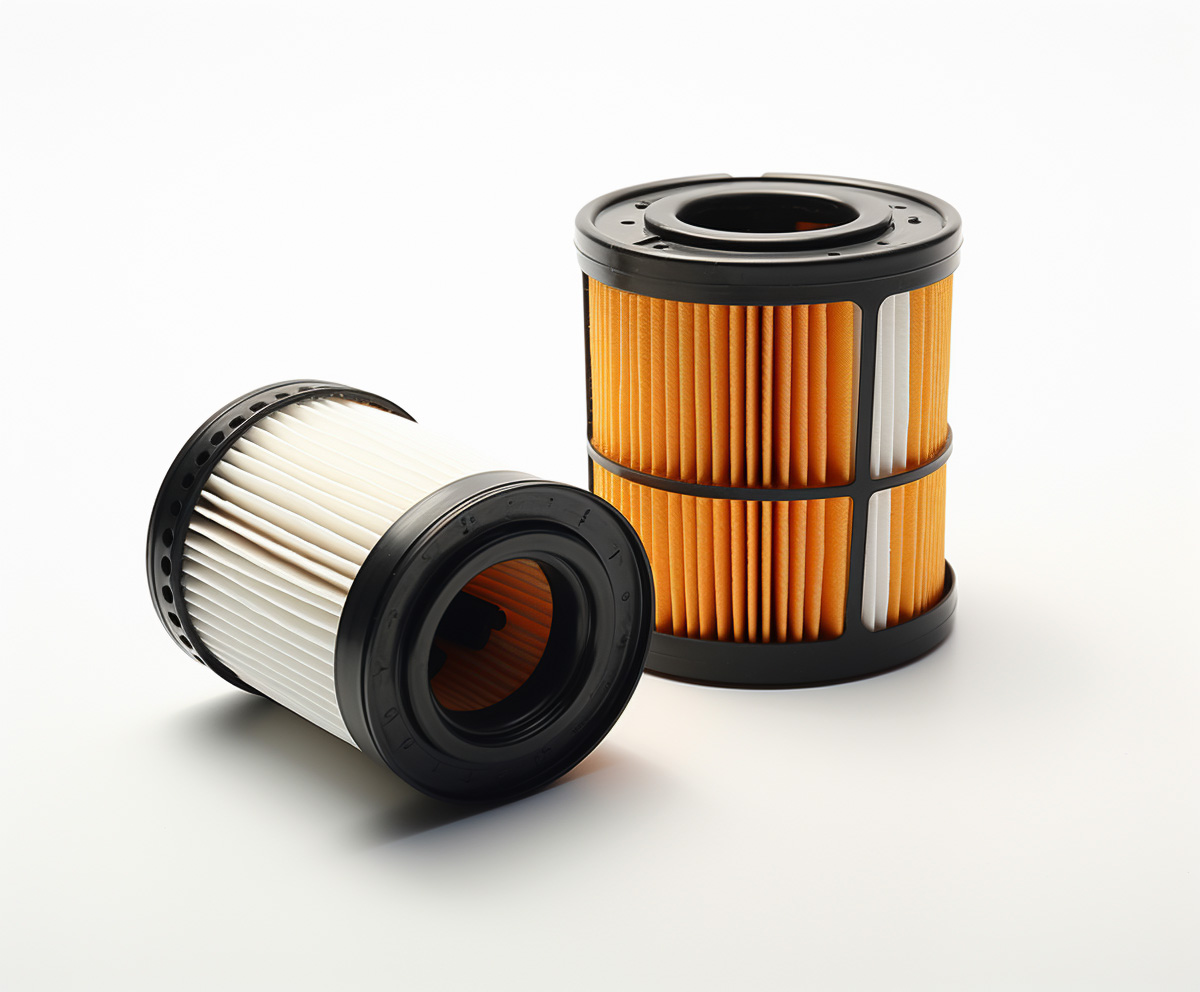
 Products
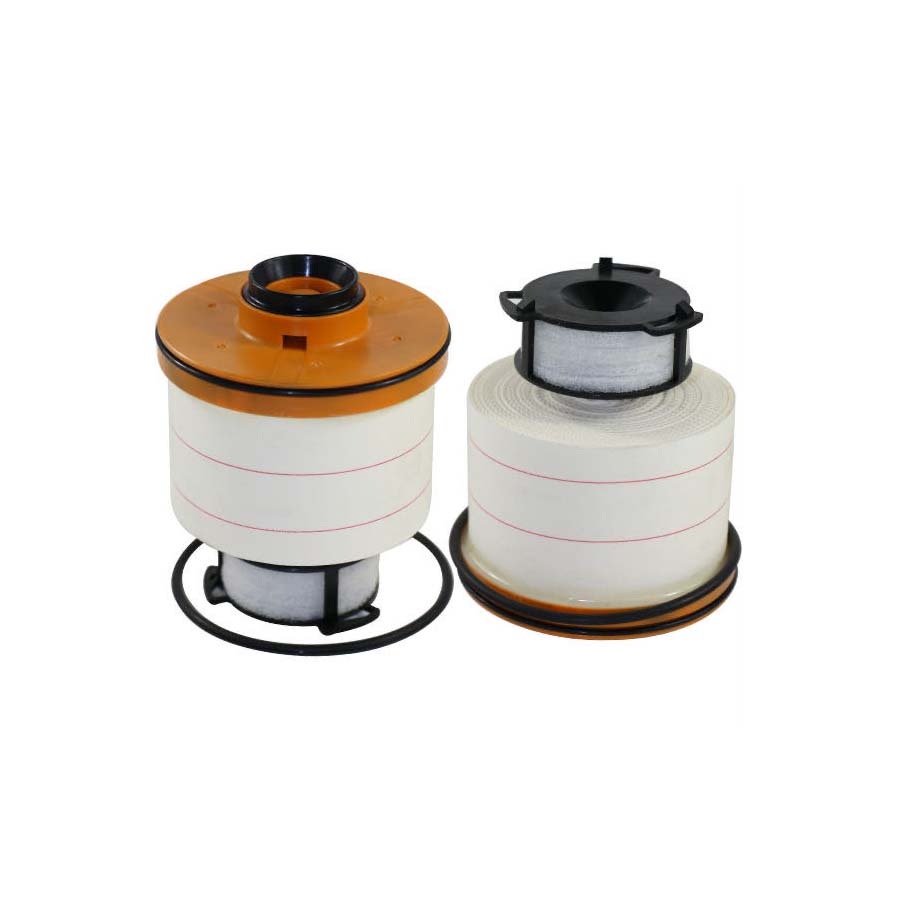 FUEL FILTER
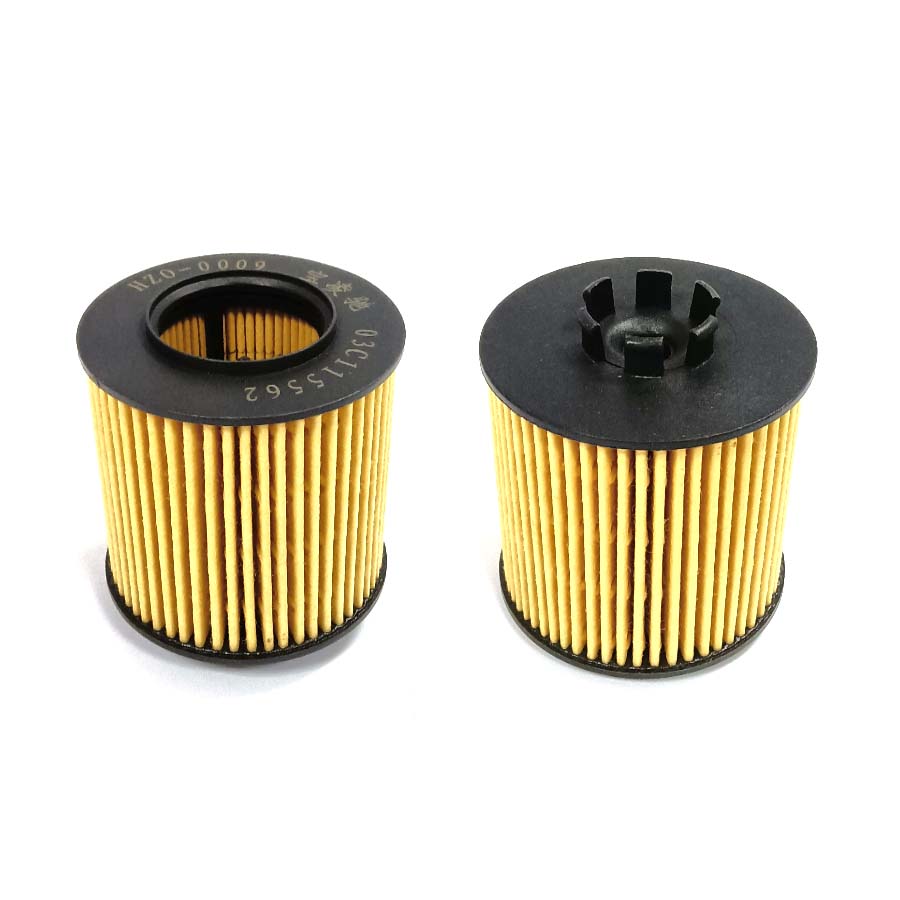 OIL ELEMENT FILTER
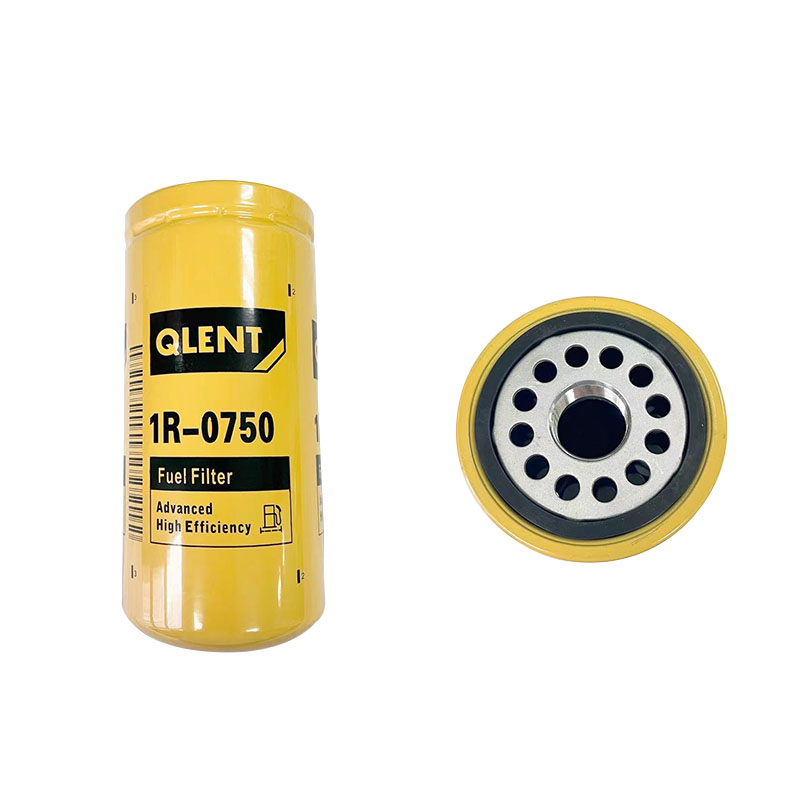 OIL FILTER
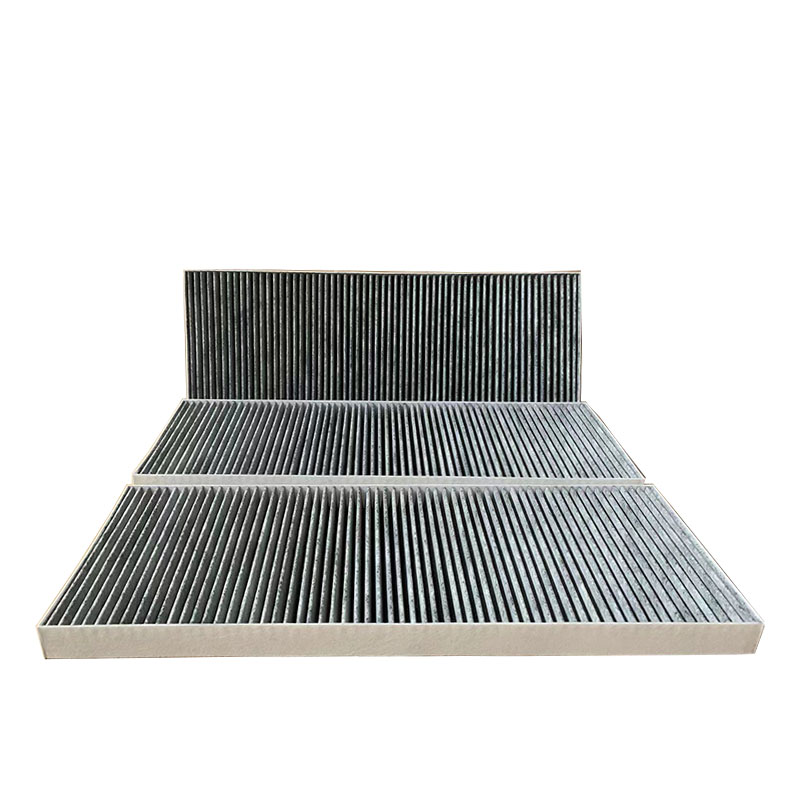 CABIN FILTER
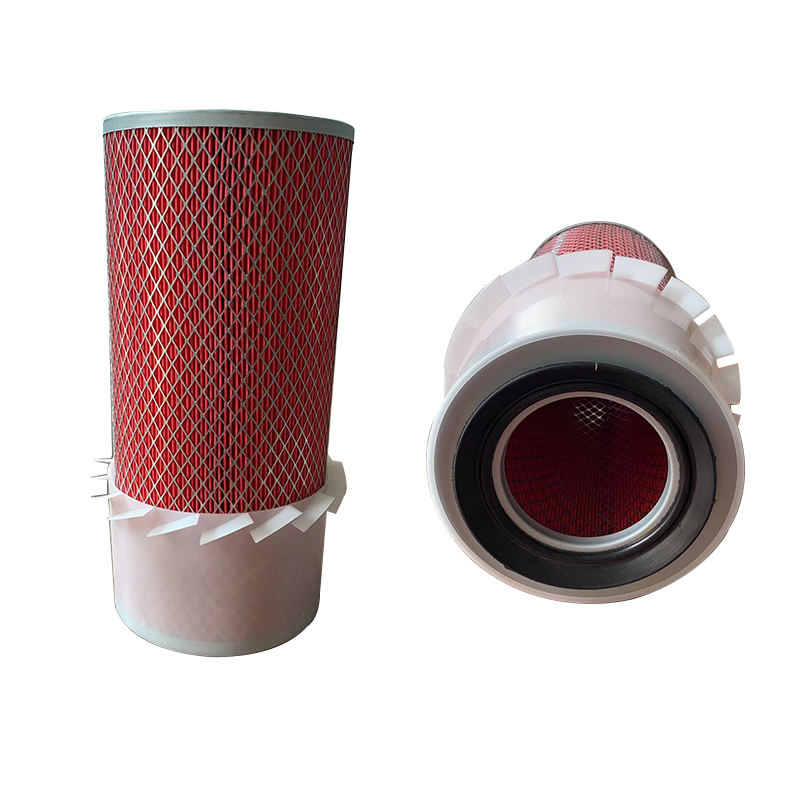 AIR FILTER
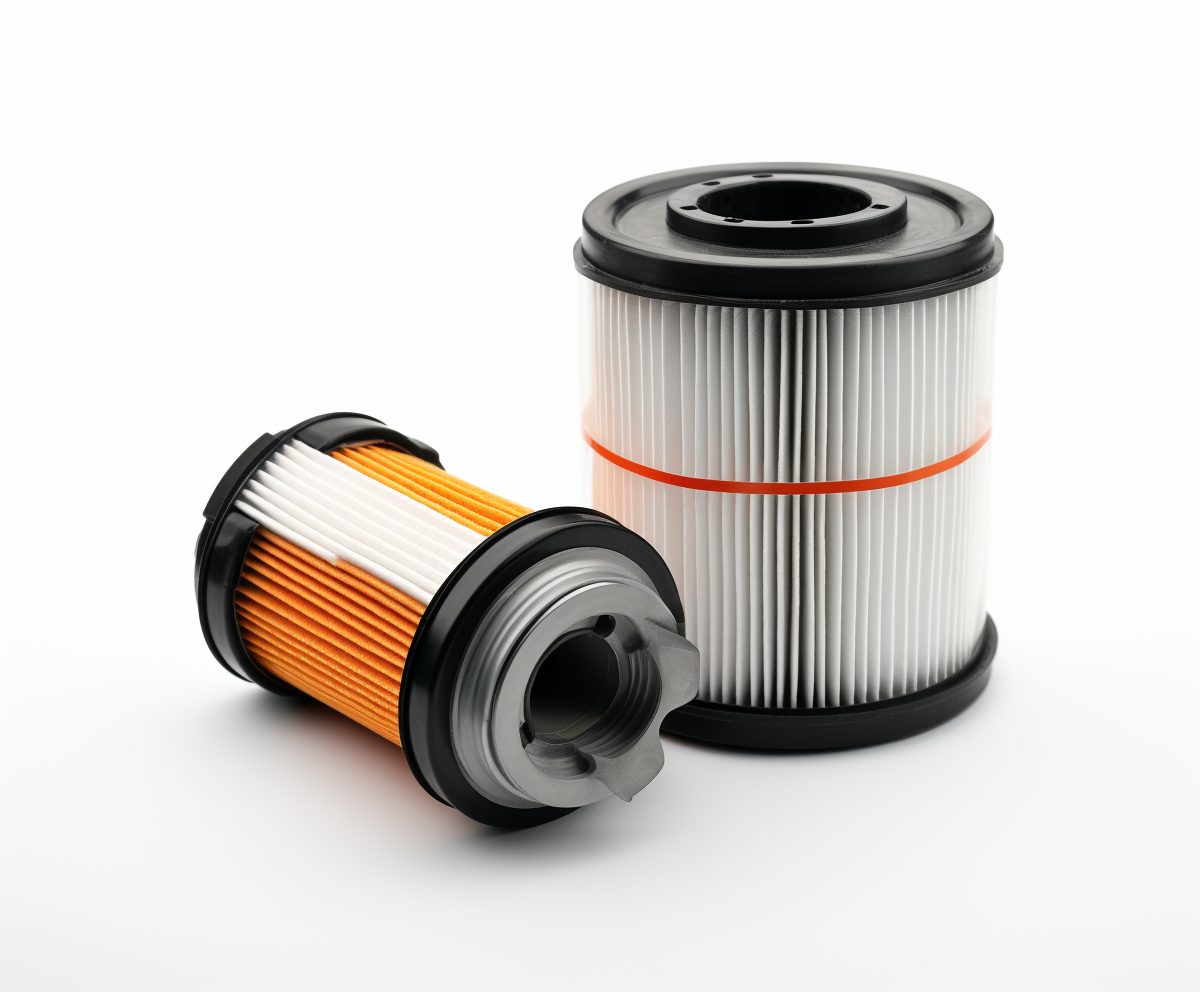


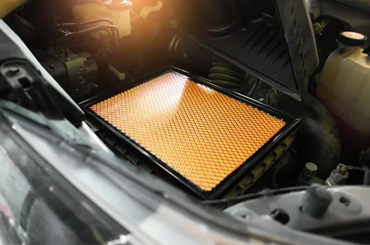

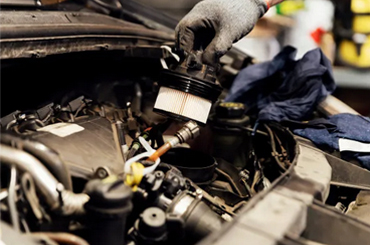
- Passenger Vehicle Filters prioritize compact size, low restriction, and routine replacement.
- Commercial vehicle filters prioritize dust-holding capacity, structural strength, and long service life.
- Wrong fitment can increase restriction, accelerate wear, and raise maintenance cost.
- Filter media efficiency must be balanced against pressure drop and engine intake demand.
- Fleet buyers should evaluate service interval, dust environment, and OEM fitment control together.
Air filter element selection matters because the engine’s intake system is the first barrier against abrasive dust, and the wrong choice can shorten engine life. In heavy-duty filtration, ISO 5011 testing is commonly used to measure dust capacity, restriction rise, and efficiency under controlled conditions, while OEM fitment checks are used to confirm sealing and dimensional accuracy. For context, the ISO 5011 test method and NIST SI Units are useful references when comparing measurable performance rather than marketing claims. For buyers comparing air filter elements across vehicle classes, the real question is not only which filter fits, but which one maintains protection under the actual duty cycle.
Air Filter Element for Passenger Vehicle vs Commercial Vehicle: the Core Difference
The core difference is that passenger vehicle filters are optimized for comfort-oriented driving, while commercial vehicle filters are optimized for sustained protection under harsher operating conditions. Passenger cars usually see shorter trips, lower engine loads, and more predictable maintenance, so their air filter element can be compact and tuned for low intake restriction. Commercial vehicles, by contrast, may run for many hours per day, face higher dust ingestion on highways, construction routes, or logistics corridors, and need a larger safety margin against clogging.
That difference changes the design target. A passenger vehicle air filter element often balances cabin noise, fuel economy, and standard service life. A commercial vehicle air filter element is judged more aggressively on dust-holding capacity, pleat stability, seal integrity, and performance after partial loading. If the filter loads too fast in a fleet truck, maintenance intervals shorten and downtime rises. If the media is too restrictive, the engine works harder to draw air, which can affect power response and efficiency.
| Comparison factor | Passenger vehicle | Commercial vehicle |
|---|---|---|
| Operating pattern | Short trips, mixed urban use | Long-haul, fleet, high-hour duty |
| Design priority | Low restriction, fit, comfort | Dust capacity, durability, uptime |
| Service interval focus | Routine maintenance schedule | Extended interval and fleet planning |
| Failure consequence | Reduced efficiency and drivability | Higher downtime and engine wear risk |
| Structural demand | Standard vibration resistance | Stronger pleat support and sealing |
Why Commercial Vehicle Air Filter Elements Need More Dust-Holding Capacity
Commercial vehicle filters need more dust-holding capacity because they are exposed to more hours, more air volume, and more contamination cycles. A heavy-duty engine can move far more intake air over a workday than a typical passenger car, so the filter media must store more captured particulate before restriction climbs to an unacceptable level. In dusty environments such as regional haul, construction support, agriculture, and delivery fleets, this capacity becomes a direct maintenance-cost issue.
Dust-holding capacity is not a vague marketing term; it is measured in standardized test conditions. ISO 5011 is widely used to evaluate filtration efficiency and dust capacity by loading the element with test dust while tracking restriction and penetration. That matters because a filter may look similar on day one, but perform very differently after hours of exposure. For fleet buyers, this is where total cost of ownership becomes more important than unit price.
Passenger vehicle filters usually do not need the same margin because their maintenance cycle is shorter and the intake environment is less severe. A commuter sedan may replace its filter on a regular service schedule, while a highway tractor or vocational truck may need a design that sustains performance over much longer intervals. That is why commercial vehicle elements often use deeper pleats, stronger separators, and reinforced end caps.
- More media area helps extend dust loading capacity.
- Better pleat spacing helps maintain airflow as the element loads.
- Stronger sealing reduces bypass in vibration-heavy operation.
- Robust construction reduces collapse risk under high intake demand.
Passenger Vehicle Air Filter Element: What Buyers Usually Care About
Passenger vehicle buyers usually care most about fitment, replacement convenience, and stable everyday performance. The air filter element must match the housing precisely, because even a small sealing mismatch can allow unfiltered air into the engine. For aftermarket distributors, that means catalog accuracy matters as much as media quality. A well-made filter can still underperform if the application data is wrong.
Passenger car users also expect minimal impact on fuel economy and throttle feel. The intake system is part of the engine’s breathing path, so excessive pressure drop can affect responsiveness. In practice, passenger vehicle filters are often designed to reach a balance between particle capture and airflow resistance. That balance is especially important for small-displacement engines, turbocharged gasoline engines, and vehicles that are sensitive to intake restriction.
From a buyer perspective, passenger vehicle filters are also a high-volume replacement category. That makes packaging consistency, barcode accuracy, and model mapping critical for retailers and wholesalers. If you are building an aftermarket line, passenger vehicle air filters should be managed with strict part-number control and clear vehicle compatibility data.
| Buyer priority | Passenger vehicle relevance | Why it matters |
|---|---|---|
| Fit accuracy | Very high | Prevents bypass and returns |
| Low restriction | High | Supports drivability and economy |
| Service convenience | High | Fits routine maintenance behavior |
| Packaging accuracy | High | Reduces warehouse and SKU errors |
Commercial Vehicle Air Filter Element: built for uptime, not just fit
Commercial vehicle air filter elements are built for uptime because downtime is expensive. A fleet truck or bus does not just need a filter that fits; it needs a filter that can survive sustained vibration, heavier dust exposure, and longer intervals between service events. In those applications, the element’s structure is just as important as the media itself.
Heavy-duty filters typically use more material area, deeper pleats, and more rigid support elements to prevent media collapse. They also need stronger sealing surfaces because commercial vehicles often operate in harsher road conditions. If the seal leaks, the engine can ingest unfiltered air, and abrasive particles can accelerate wear in cylinders, rings, turbochargers, and sensors.
Commercial fleets also care about consistency across large maintenance programs. One weak element in a hundred-unit fleet can cause uneven service intervals, unpredictable stock usage, and avoidable downtime. That is why commercial buyers often request stable supply, clear replacement guidance, and matching documentation for each application. For buyers who handle multiple equipment types, commercial vehicle air filters should be organized by duty class, engine family, and service environment.
| Fleet concern | Commercial vehicle requirement | Typical risk if ignored |
|---|---|---|
| Long operating hours | High dust-holding capacity | Short service life |
| Road vibration | Strong pleat support | Media damage or collapse |
| Dusty routes | Reliable sealing and media depth | Engine wear from bypass |
| Inventory control | Stable part numbering | Wrong SKU and delays |
Air Filter Element Media: how efficiency and restriction must be balanced
The best air filter element is not always the one with the highest initial filtration efficiency because engines also need enough airflow. Filtration media must strike a balance between particle capture and pressure drop. If the media is too dense, the engine may lose breathing efficiency as the filter loads. If the media is too open, dust penetration risk increases.
That tradeoff is why test methods matter. ISO 5011 provides a controlled way to compare efficiency and restriction rise as the element loads with standardized dust. For buyers, this is more useful than an isolated claim about “high efficiency” because it shows how the filter performs over time. It is also why many OE-grade and heavy-duty products are validated against measurable loading curves rather than only static airflow claims.
For passenger vehicles, a slightly lower-pressure-drop design may be favored to support fuel economy and smoother response. For commercial vehicles, a more durable media pack may be preferred if it delivers better service life and lower maintenance frequency. The right answer depends on the route profile, dust exposure, and the cost of service interruption.
- High efficiency without dust capacity can create short service life.
- Low restriction without sealing strength can create bypass risk.
- Long-life commercial filters usually need both capacity and structural support.
- Passenger filters usually emphasize balance over extreme durability.
How fitment, sealing, and vibration separate passenger and commercial applications
Fitment accuracy is a major separator because even a well-filtering element fails if it does not seal correctly. Passenger vehicles usually have more standardized service intervals and less severe vibration, so sealing requirements are demanding but predictable. Commercial vehicles operate in harsher environments, and vibration can loosen weak assemblies or deform insufficiently supported elements.
Sealing problems are especially important in the aftermarket, where incorrect part selection can lead to returns and dissatisfaction. For distributors, fitment data must be checked against vehicle model, engine type, and housing dimensions. For fleet operators, the cost of a wrong filter is not just the price of the part; it includes labor, downtime, and potential engine exposure.

In practical terms, buyers should verify housing dimensions, gasket compression, end-cap rigidity, and overall element height before approving a replacement. If the application is off-road, high-dust, or high-vibration, the commercial-grade design usually offers a safer margin.
| Inspection point | Passenger vehicle | Commercial vehicle |
|---|---|---|
| Housing fit | Exact catalog match | Exact catalog match plus duty check |
| Seal compression | Standard | Higher tolerance for vibration |
| Pleat support | Moderate | Reinforced |
| Validation | Routine fitment verification | Fitment plus field durability review |
Choosing the right air filter element for your use case
The right air filter element depends on where the vehicle works, how long it works, and how often it is serviced. If you operate a private car in typical city or highway conditions, a passenger vehicle element with the correct fitment and balanced airflow is usually the right choice. If you manage a truck, bus, van, or vocational vehicle, a commercial vehicle element is often the better fit because it is built for higher dust exposure and longer duty cycles.
Buyers should use a simple decision process. First, identify the vehicle class and engine family. Second, check the actual operating environment, including dust, humidity, and vibration. Third, confirm the service interval and maintenance policy. Fourth, evaluate media performance, sealing quality, and dimensional accuracy together, not separately.
- Confirm the exact application by VIN, engine code, or equipment model.
- Match the filter to the housing dimensions and seal design.
- Assess dust exposure and service interval requirements.
- Review test evidence such as dust capacity and restriction behavior.
- Choose the lowest total-cost option, not the lowest unit price.
For buyers who want broader product planning, many filtration portfolios also connect with cabin filters and oil filters, because maintenance programs often bundle multiple consumables into one procurement cycle.
How air filter elements affect engine protection and maintenance cost
Air filter elements influence engine protection by controlling how much abrasive particulate reaches the intake stream. Even small amounts of dust can accelerate wear over time, especially in engines that run long hours or in dusty environments. That is why commercial vehicle operators often pay closer attention to replacement intervals and media condition than passenger car owners do.
Maintenance cost is not only about part price. It includes labor, downtime, fuel impact from restriction, and potential wear cost from poor sealing. A filter that lasts longer but allows bypass is not a savings. Likewise, a low-cost filter that clogs too quickly can raise service frequency and inventory pressure. The best choice is usually the one that meets the application with enough margin to avoid premature replacement or engine stress.
In a fleet setting, standardized procurement is often the most efficient path. One part number per application, clear replacement rules, and documented fitment reduce mistakes. That is especially important for operators managing mixed fleets with passenger vehicles, vans, and commercial trucks.
What quality buyers should verify before ordering in bulk
Quality buyers should verify performance evidence, not just appearance. A good air filter element should be checked for media uniformity, pleat spacing, seal quality, and packaging accuracy. If possible, ask for test data based on a recognized method such as ISO 5011, because it provides a more reliable comparison than visual inspection alone.
Bulk buyers should also confirm supply consistency. Even a well-designed filter can become a problem if dimensions, materials, or packaging change without notice. For export customers, multilingual labeling, stable lead time, and clear carton markings are part of quality control, not just logistics.
- Check application accuracy by model and engine code.
- Confirm dust capacity and restriction behavior under test conditions.
- Inspect seal material and end-cap rigidity.
- Review carton labels, SKU mapping, and replacement references.
- Ask for consistency across production lots.
FAQ
What is the main difference between passenger and commercial vehicle air filter elements?
The main difference is that passenger vehicle filters prioritize compact fit and routine maintenance, while commercial vehicle filters prioritize durability, dust-holding capacity, and long service life under heavier duty cycles.
Can I use a passenger vehicle air filter element in a commercial vehicle?
Usually no, because the commercial engine may require larger airflow capacity, stronger structure, and a different housing fit. Wrong fitment can increase restriction or allow bypass.
How often should an air filter element be replaced?
Replacement interval depends on vehicle class, route conditions, and dust exposure. Passenger vehicles usually follow routine service intervals, while commercial vehicles may require shorter or condition-based checks in dusty operations.
What test standard is used to compare air filter performance?
ISO 5011 is widely used to compare filtration efficiency, dust capacity, and restriction behavior under controlled loading conditions.
Why do commercial vehicle filters often look larger?
They are often larger because they need more media area and structural support to handle higher air volume and longer service intervals.
What causes premature air filter failure?
Common causes include poor sealing, incorrect fitment, excessive dust loading, vibration damage, and weak media support.
What should fleet buyers prioritize when sourcing filters?
Fleet buyers should prioritize fitment accuracy, consistent supply, dust-holding capacity, and total maintenance cost across the full service interval.